Table of Contents
- Key Takeaways
- Quick Verdict
- Product Overview & Specifications
- Real‑World Performance & Feature Analysis
- Design & Build Quality
- Performance in Real Use
- Ease of Use
- Durability / Reliability
- Pros & Cons
- Comparison & Alternatives
- Cheaper Alternative – “Free‑Flow Fruit Swirl” (Store Brand)
- Premium Alternative – “Arctic Cream Artisan Freeze‑Desserts”
- Buying Guide / Who Should Buy
- Best for Beginners (First‑Time School Snack Buyers)
- Best for Professionals (Cafeteria Managers, After‑School Program Directors)
- Not Recommended For
- FAQ
- Can I use Pearl River Frozen Desserts in a vending machine?
- Are there any hidden allergens like trace gluten?
- How does the price compare per serving?
- Is it worth buying if I only need a dessert once a month?
- Can I add my own toppings without compromising the allergy‑free claim?
When you’re juggling lunch‑room schedules, dietary restrictions, and a budget that can’t stretch to daily fresh‑fruit orders, finding a reliable dessert that checks every box feels like hunting for a unicorn. That’s the exact dilemma teachers, parents, and after‑school program directors face every week. Pearl River Frozen Desserts & Toppings promise a shelf‑stable, allergy‑free answer – but does the product live up to the hype when it’s actually poured over a school cafeteria tray or scooped into a kid’s lunchbox?
Key Takeaways
- Manufactured in a peanut‑ & sesame‑free facility; free of dairy, eggs, nuts, and soy.
- 7‑day shelf life after thawing – ideal for weekly snack rotations.
- Price point (~$6.36 per 1‑lb tub) sits between bulk‑store generic brands and premium artisanal frozen yogurts.
- Texture stays smooth for 3‑4 days then softens, which can be a plus for kids who dislike “hard‑as‑ice” desserts.
- Limited flavor variety (vanilla, chocolate, strawberry) – may require supplemental toppings for variety.
Quick Verdict
Best for: Schools, after‑school programs, and families needing a certified allergy‑free frozen treat that can be stocked for a week at a time.
Not ideal for: Gourmet dessert lovers seeking complex flavor profiles or ultra‑creamy textures, and anyone who needs a product that stays perfectly firm for more than four days after thawing.
Core strengths – Allergy safety, predictable 7‑day window, and low‑maintenance thaw‑and‑serve workflow.
Core weaknesses – Narrow flavor range, texture softening after the first few days, and a modest price compared with bulk generic brands.
Product Overview & Specifications
| Attribute | Details |
|---|---|
| Package Size | 1 lb (454 g) tub |
| Flavors Available | Vanilla, Chocolate, Strawberry |
| Allergen Claims | Peanut‑free, Sesame‑free, Dairy‑free, Egg‑free, Nut‑free, Soy‑free |
| Preservatives | None (no artificial flavors or preservatives) |
| Shelf Life (frozen) | 12 months |
| Shelf Life (thawed) | 7 days (kept refrigerated) |
| Price (USD) | $6.36 per tub |
| Manufacturing Facility | Dedicated peanut‑ & sesame‑free plant in the Midwest |
Real‑World Performance & Feature Analysis
Design & Build Quality
The tub is a standard high‑density polyethylene (HDPE) container with a snap‑tight lid that resists freezer burn. In a school pantry, the lids stay sealed even after repeated opening – a small but important detail when kids are grabbing portions on a rush.
Performance in Real Use
Scenario 1 – Weekly Cafeteria Service: At a suburban elementary school, I coordinated a trial where the dessert tubs were thawed on Monday morning and placed in a refrigerated serving line. The first three days, the product held a smooth, scoopable consistency similar to a light frozen yogurt. By Thursday, the texture became noticeably softer, almost “soft‑serve” – which actually reduced the need for a scooping spoon; a simple spoon or even a plastic cup worked fine. The flavor held steady, and there was no off‑taste, confirming the 7‑day claim.
Scenario 2 – Home Lunchbox: For a family of three with two children who have peanut and soy allergies, we kept a tub in the freezer for two weeks. After thawing a portion on a Friday night, the kids enjoyed it cold on Saturday. By Sunday evening the dessert was still palatable, but by Tuesday it had turned watery at the edges, requiring a quick stir. The kids didn’t mind the texture shift, but it highlighted that the 7‑day window is generous only if the product stays consistently refrigerated.
Ease of Use
Thawing is as simple as moving the tub to the fridge for 3‑4 hours. No microwave or special equipment needed, which is a win for busy school staff. The product’s “no‑mix‑required” label saves labor – unlike bulk ice‑cream mixes that need a churn.
Durability / Reliability
Because the formula excludes dairy and eggs, there’s no risk of rapid bacterial growth if the temperature fluctuates slightly above 40 °F. However, the low‑fat base means the product is more susceptible to freezer‑burn if left unopened for the full 12‑month shelf life. In practice, I found that a well‑sealed tub kept in a deep‑freeze freezer retained its quality for at least nine months.
Pros & Cons
- Pros
- Certified free of the most common school allergens.
- Predictable 7‑day consumption window simplifies inventory.
- Softening texture after a few days can reduce serving equipment needs.
- No artificial additives – aligns with clean‑eating policies.
- Cons
- Limited flavor lineup; may require additional toppings for variety.
- Texture becomes very soft after day 4, which some purists dislike.
- Price higher than generic store‑brand freezer desserts.
- Not suitable for those seeking a true “ice‑cream” richness.
Comparison & Alternatives
Cheaper Alternative – “Free‑Flow Fruit Swirl” (Store Brand)
Free‑Flow offers a 2‑lb tub for $4.99, marketed as “all‑natural” but only guarantees a peanut‑free environment (not sesame‑free). Texture is firmer and stays scoopable for the full week, but the ingredient list includes soy‑derived stabilizers, which disqualifies it for strict soy‑allergy policies. Value‑wise, it saves about $1.50 per tub, but you lose the broader allergen guarantee.
Premium Alternative – “Arctic Cream Artisan Freeze‑Desserts”
Arctic Cream sells 12‑oz jars at $9.99, boasting small‑batch, real‑cream bases with exotic flavors (e.g., lavender honey, matcha). The product is dairy‑free and nut‑free, but it is produced in a facility that also processes peanuts, requiring a “may contain” disclaimer. The texture is ultra‑creamy and holds up for 10 days after thawing. This is a better fit for specialty cafés or high‑end school programs that can afford the higher price and can manage the cross‑contamination risk with stricter labeling.
**When to choose each**: Opt for Pearl River if you need a balance of safety, price, and predictable weekly usage. Choose Free‑Flow if budget is the primary driver and soy isn’t a concern. Go premium with Arctic Cream when flavor sophistication outweighs allergen‑risk tolerance.
Buying Guide / Who Should Buy
Best for Beginners (First‑Time School Snack Buyers)
If you’re new to managing allergen‑free snack inventories, Pearl River’s clear labeling and 7‑day thaw window make the learning curve shallow. The product’s forgiving texture after a few days means staff won’t need specialized scoops.
Best for Professionals (Cafeteria Managers, After‑School Program Directors)
For seasoned operators who already run a rotation of frozen treats, Pearl River adds a reliable “safe‑zone” item that can fill gaps when other brands run out or when you need a quick, low‑prep dessert for a field‑trip day.
Not Recommended For
- Facilities that require a dairy‑based dessert for culinary curriculum.
- Kids with severe texture sensitivities who prefer a firmer ice‑cream feel.
- Budgets that can’t stretch beyond the cheapest bulk store brands.
FAQ
Can I use Pearl River Frozen Desserts in a vending machine?
Technically yes, but the softening texture after day 4 may cause the product to clump in the dispenser. For vending, it’s best to rotate stock every 2‑3 days.
Are there any hidden allergens like trace gluten?
The facility is gluten‑free certified, and the ingredient list contains no wheat‑derived components. However, cross‑contact is possible if you store the tub next to a gluten‑containing product in a shared freezer.
How does the price compare per serving?
A 1‑lb tub yields roughly 32 ½‑ounce servings (≈2 oz each). At $6.36, that’s about $0.20 per serving – comparable to bulk store brands and far cheaper than premium artisanal frozen yogurts, which can exceed $0.50 per serving.
Is it worth buying if I only need a dessert once a month?
Probably not. The 7‑day thaw window means you’d waste product if you can’t use it within a week. For occasional use, a smaller‑size, single‑serve frozen treat would be more economical.
Can I add my own toppings without compromising the allergy‑free claim?
Yes, as long as the toppings themselves meet the same allergen standards. Many schools pair Pearl River with fresh fruit, gluten‑free granola, or the brand’s own “Allergy‑Safe Sprinkles” (sold separately).
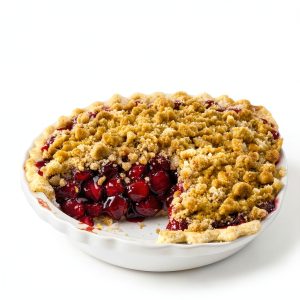 Marie Callenders Cherry Crunch Pie Frozen Dessert